Tag Archives: Tourism

Breathtaking Virtual Tours!

Standard

This week’s recommended virtual travel tool is AirPano!

Meet the Team!

AirPano project is comprised of a team of eight, Russian men, who travel to the most significant landmarks around the world. At each sight they capture high resolution, aerial images and videos which are then uploaded online.

AirPano 360 Degrees

This online tool provides incredible views and access to some of the worlds most breath-taking sites both natural and man-made around the world. Click below to begin your trip!

  • The Top 20 (Link)
  • Seven Wonders of the World (Link)
  • 3D Panoramas (Link)
  • 3D Videos (Link)
  • Photo Gallery (Link)

Special Features at Your Fingertips

  • High Resolution Images/Videos
  • Multiple Views Points
  • Variations in the Time of Day Filmed/Photographed
  • Navigation Bar
    • Change of View (toggle)
    • Zoom Capabilities
    • Additional Site Information/Articles
    • Adjustable Music (Volume & Song)
    • Link to Google Maps

Note: These are large images/files. Be prepared that they make take time to load.

I promise, they are worth the wait!
Travel Planning With/For Pint Sized Adventurers

Standard

Here is a list of things to consider when planning your first or next family trip. Although I was thinking about this from the perspective of young children, many of the ideas are applicable to travelling with teens as well. Just be sure you know your participants!

  • Don’t Overshoot: Keep in mind that if you are intending to take an annual trip-it might be hard to keep the enthusiasm going each year. Other factors such as time and money may also play a role in future.
  • Keep It Simple: Don’t be afraid to plan for down-time during your trip. This will help you and your kids absorb the experience. And, hopefully when you return you won’t be as exhausted, especially if you have to return to work the next day.
  • Stay Relevant: Recognize that as  children grow, so can the type and length of experiences you want them to have.
  • Be Appropriate: The trip should reflect his/her interests and age level. Including a tour of the local winery (although compelling) would be best on a weekend outing with my friends.
  • Going the Distance: Consider regional or state travel sites to test the waters as you discover what kind of travelers he/she is-understanding that this can change over time.
  • Alternative Transportation: Think about incorporating a variety of modes of travel to and from the destination as part of the experience-bus, train, automobile or airplane. Don’t forget other types when you have arrived at your destination which can be an attraction/experience unto themselves such as boats, trolley, horse, bicycle, balloon, walking, helicopter, etc. (former transportation planner in me peeking out 😉
  • Task Master v. Adventurer: Consider what type of trip you want. Do you want the trip to be scheduled down to the minute/hour (Task Master)? Would you prefer to have no plans-throw a map in the car, close your eyes-pick a location and move (Adventurer)?  Or, something in between-plan where you would like to end up, identify some interesting spots to check out and decide the rest as it comes? Remember since this isn’t a solo trip, you might want to figure out what your co-pilot(s) might like!
  • Engage: Involve your kids in the planning process: Identify (2-3) things you would like to do and let them pick. This will help them take ownership in the trip.
  • Surprises: Keep one or two sites, you hope they will like, a surprise to sprinkle a little something unexpected in the mix of activities.
  • Electronic Divide:  Technology can be a great tool to help distract your children and pass the time. But set some guidelines for use and limit their time. Also, remember that setting rules doesn’t have to be a battle-but it can be a competition! Use the iPad to find fun facts the quickest fact checker gets to select the restaurant or the first/next attraction? See who can wait the longest to respond to a phone text-looser buys travel snacks, etc.
  • Get Creative: If you are a working parent(s) this trip might be the most time you have spent with your child in one sitting for a while. Think of ways to interact with your child and get creative.
  • Connect:  Take time to ask (appropriate) questions, guide and most importantly listen. This can be a litmus test to how your child is really doing-with friends, in school, personally, etc.
  • Teachable Moments:  Covert or overt educational opportunities are everywhere-guides, museums, park programs, etc. Also, don’t forget how much knowledge you have to share as well.
  • Art of Imperfection: It’s the unexpected moments that can be the most memorable (all-be-it not always in the moment). It’s okay if the dinosaur exhibit was lame, the winding river was more like a creek, or the trip was way-laid by a flat tire inconveniently sandwich between two small towns. Your best travel accessory is hands-down a sense of humor.  Talk about an amazingly powerful teachable moment!

Electronic Media: Urban v. Nature-Based Tourists

Standard
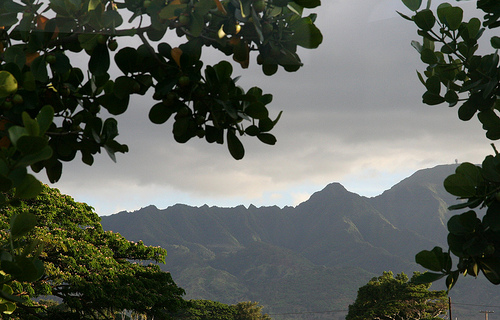
Pretty view from the bus! Image by TheGirlsNY. Retrieved from FlickR. Used under Creative Commons Licensing.

Pretty view from the bus! Image by TheGirlsNY. Retrieved from FlickR. Used under Creative Commons Licensing.

I wanted to pass along research recently released by the University of Minnesota-Tourism Center. It compares the use of electronic media among urban and nature‐based tourists. The research found that almost half of the nature-based travelers used the advice of friends/family to plan a trip oppose to on-line sites and travel reviews. However, during the trip they tended to accessed websites and Facebook to share their experiences.  Non-nature (urban) based tourists showed a slightly higher reaction to social media that ultimately responded in a change in travel plans.

Click here for an additional snapshot of the research finding from Compare uses of electronic media, among urban nature‐based tourists by Andrew Oftedal, M.S., Arielle Courtney,Graduate Research Assistant,&Ingrid Schneider, Ph.D

So what does this mean? It could be used to evaluate social media in the tourism industry based on the data collected and intended audience. In addition, this information can be tracked over a given period of time (longitudinal study) to identify shifts in technology trends such as  types of media/devices used.


Participating in NAI

Standard

NAIAl Leftridge, Ph.D,  is hosting an interpretive writing workshop in Minnesota this weekend. In the tourism field the word “interpretation” goes beyond conventional languages. It is the concept of conveying something to an audience through words, sounds, images, etc.  Mr. Leftridge and myself are members of the National Association for Interpretation (NAI). This organization is the offspring of the Association of Interpretive Naturalists (founded in 1954) and the Western Interpreters Association (founded in 1965).  NAI views interpretation as a mission-based communication process that forges emotional and intellectual connections between the interests of the audience and the meanings inherent in the resource.  Individual members (5,00o+) include those who work at parks, museums, nature centers, zoos, botanical gardens, aquariums, historical and cultural sites, commercial tour companies, and theme parks. Commercial and institutional members include those who provide services to the heritage interpretation industry. Additional information about  NAI can be found on their website. I encourage you to think about the  role it plays in the tourism industry and ways it might connect to your travels.